

 Follicle Stimulating Hormone
The Follicle Stimulating Hormone (FSH) test measures the levels of FSH in the blood. FSH is a hormone produced by the pituitary gland that plays a crucial role in the reproductive system.
In females, FSH helps regulate the menstrual cycle and stimulates the growth and development of ovarian follicles, which contain the eggs. Therefore, FSH levels are important in assessing fertility and diagnosing conditions related to the female reproductive system, such as polycystic ovary syndrome (PCOS), primary ovarian insufficiency (POI), and menopause.
In males, FSH is responsible for the production of sperm. Abnormal FSH levels in males can indicate issues with testicular function, such as testicular failure or infertility.
It is important to consider the timing of the FSH test in females, as FSH levels fluctuate throughout the menstrual cycle. Typically, FSH levels are highest just before ovulation and lowest during the mid-cycle. Therefore, the test may need to be performed on specific days of the menstrual cycle to obtain accurate results.
Additionally, FSH levels naturally increase with age in both males and females. Therefore, age-related reference ranges should be considered when interpreting the results.
Biomarker(s) Measured: Follicular Stimulating Hormone
 Sports Fitness Profile
If you want to know what your blood can tell you about your fitness – either before starting a programme, or to monitor progress during one., this is the profile for you.
It includes all the essential biomarkers that are of interest to a sports person – a Full Blood Count, Liver & Kidney function profile, Iron levels, Ferritin, Heart & Muscle Enzymes, Cholesterol profile, Inflammation, Magnesium, Vitamin D , Vitamin B12 and Testosterone.
We are able to monitor and track these results over time to see how well your body is functioning in response to your exercise regime and flag up anything that may need to be looked at.
Due to the size of this profile and the inclusion of a full blood count we need a phlebotomy sample.
Biomarker(s) Measured: Vitamin B12, Haematocrit, Alkaline Phosphatase, White Cell Count, estimated Glomerular Filtration Rate (eGFR), Lymphocytes, Mean Platelet Volume, Transferrin Saturation, Unsaturated Iron-Binding Capacity, Total Iron-Binding Capacity, Haemoglobin, Total Protein, Globulin, Mean Cell Volume (MCV), Creatine Kinase, Triglyceride, Gamma Glutamyl Transferase, Low Density Lipoprotein, High-Density Lipoprotein (HDL) Cholesterol, Cholesterol – Total, Total Cholesterol : HDL Ratio, Urea, Calcium, Mean Cell Haemoglobin, Mean Cell Haemoglobin Concentration, Red Cell Distribution Width, Red Cell Count, Platelet Count, HDL percentage, High Sensitivity C-Reactive Protein, Urate (Uric acid), Monocytes, Total Bilirubin, Alanine Transaminase, Creatinine, Testosterone, Ferritin, Basophils, Iron, Albumin, Adjusted Calcium, Eosinophils, Aspartate Aminotransferase, Neutrophils, Vitamin D (25-OH)
 Progesterone – Day 21
Analysis of progesterone levels shows a large spike in the latter half of your cycle if successful ovulation has occurred. If you have regular periods it needs to be taken about 21 days after the first day of your last period. If you have an irregular cycle then test at 7 days before your next period.
A result of 30-65.5 nmol/L will confirm that you have ovulated.
Along with confirming ovulation if taken at about day 21 of your cycle there are many other reasons for checking your progesterone levels.
These include monitoring levels throughout pregnancy to check for risk of miscarriage, checking for polycystic ovarian syndrome.
Biomarker(s) Measured: Progesterone
 Iron Status Profile
The Iron Status Profile measures all the essential parameters related to iron levels in the body.
Anaemia is very commonly caused by low iron as red blood cells are entirely dependent on iron to transport essential oxygen around the body.
This test will give you a clear indication of whether you are at risk of developing iron-deficiency anaemia, or if you already know you are anaemic, whether it is low iron that is causing it.
Iron deficiency anaemia can cause
- tiredness and lack of energy
- shortness of breath
- noticeable heartbeats (heart palpitations)
- paler than usual skin
- headaches
Serum iron shows how much iron you have in your blood right now, total iron-binding capacity (TIBC) analyses the ability of your blood cells to attach itself to the iron in your blood. Transferrin saturation is another way of showing how well your blood is using the iron in your body. Ferritin is a protein that stores iron. If it is low then your iron stores are low. Ferritin is also functions as a very important measure of inflammation so if there is inflammation for any other reason (such as autoimmune conditions, infections or excessive alcohol) it may be very high.
If you are low in iron you can treat it is with supplements and diet changes.
If you find you are high in iron it may be a condition called haemochromatosis which needs medical follow-up.
Biomarker(s) Measured: Total Iron-Binding Capacity, Transferrin Saturation, Ferritin, Unsaturated Iron-Binding Capacity, Iron
 Heart Health Profile
This profile analyses some of the major risk factors for heart problems.
This profile will tell you if you have diabetes (HbA1c) – there are over 1 million people with diabetes who do not know they have it. Finding out will enable you to make the lifestyle changes and start treatments that will significantly lengthen your life and improve how you feel every day.
It includes a full cholesterol profile analysing over 5 parameters. Over 40% of adults have high cholesterol levels which is a very significant risk factor for heart attacks and strokes. The only way to detect if you have high cholesterol is through a blood test. It will enable you to make the changes you need to reduce your risk of some of the most common causes of death.
Generalised inflammation is tested with a high sensitivity C-reactive protein level. Firstly, Inflammation is bad for your heart. A high CRP level can also indicate the presence of a very wide range of other health problems like autoimmune disease, bacterial infections, osteomyelitis, pelvic inflammatory disease and inflammatory bowel disease.
Biomarker(s) Measured: Low Density Lipoprotein, Triglyceride, Cholesterol – Total, HbA1c (Glycosylated Haemoglobin), Non-HDL-Cholesterol, Total Cholesterol : HDL Ratio, High Sensitivity C-Reactive Protein, High-Density Lipoprotein (HDL) Cholesterol
Full Blood CountThe Full Blood Count (with 5 part White Cell Differential) test measures the levels of different components in the blood, including red blood cells, white blood cells, and platelets. It provides information about the overall health of the blood and can help diagnose various health conditions.
This test can contribute to the diagnosis of anemia, which is a condition characterized by low levels of red blood cells or hemoglobin. It can also help identify infections, as the white blood cell count and differential can indicate the presence of an infection and the type of white blood cells involved.
Biomarker(s) Measured: Mean Cell Volume (MCV), Platelet Count, Haematocrit, Lymphocytes, Mean Platelet Volume, Haemoglobin, White Cell Count, Red Cell Count, Mean Cell Haemoglobin Concentration, Red Cell Distribution Width, Monocytes, Neutrophils, Basophils, Eosinophils, Mean Cell Haemoglobin
 Sports Hormone Profile
Analyse the widest range of hormones and systems in your body affected by fitness activity, that can be measured with a blood test.
If you are taking supplements and want to monitor the affects these are having then this is the test for you.
If you are concerned that you may not be responding to your exercise as you should then these are the hormones and systems to check.
Your liver function is tested which is where your body processes most of the food and substances you introduce into your body.
Thyroid function is checked with TSH and FT4 as if this is not working you will not have the energy you should.
The widest range of hormones are analysed. All these hormones are very important for both men and women – although in different concentrations of course.
Free & Total Testosterone, SHBG, DHEAS and Free Androgen Index are checked.
Oestradiol, Luteinising Hormone, Follicle Stimulating Hormone, Prolactin are all included.
Biomarker(s) Measured: Albumin, Free T4 (thyroxine), Free Androgen Index, Sex Hormone Binding Globulin, Total Bilirubin, Free Testosterone Calculation, DHEA-Sulphate, Testosterone, Prolactin, Globulin, Aspartate Aminotransferase, Thyroid Stimulating Hormone, Follicular Stimulating Hormone, Total Protein, Luteinizing Hormone, Gamma Glutamyl Transferase, Oestradiol (E2), Alkaline Phosphatase, Alanine Transaminase
ProlactinProlactin is a hormone produced by the pituitary gland that plays a crucial role in lactation and reproductive function.
Prolactin levels need checking in both men and women for different conditions.
Women:
- menstrual irregularities, such as amenorrhea (absence of periods) or oligomenorrhea (infrequent periods)
- infertility
- recurrent miscarriage
- lactation problems, such as insufficient milk production or galactorrhea (abnormal breast milk production)
- pituitary tumors, which can cause excessive prolactin production (prolactinoma)
Men:
- conditions related to low testosterone levels, such as hypogonadism (underactive testes)
- pituitary tumors, which can cause excessive prolactin production (prolactinoma)
Biomarker(s) Measured: Prolactin
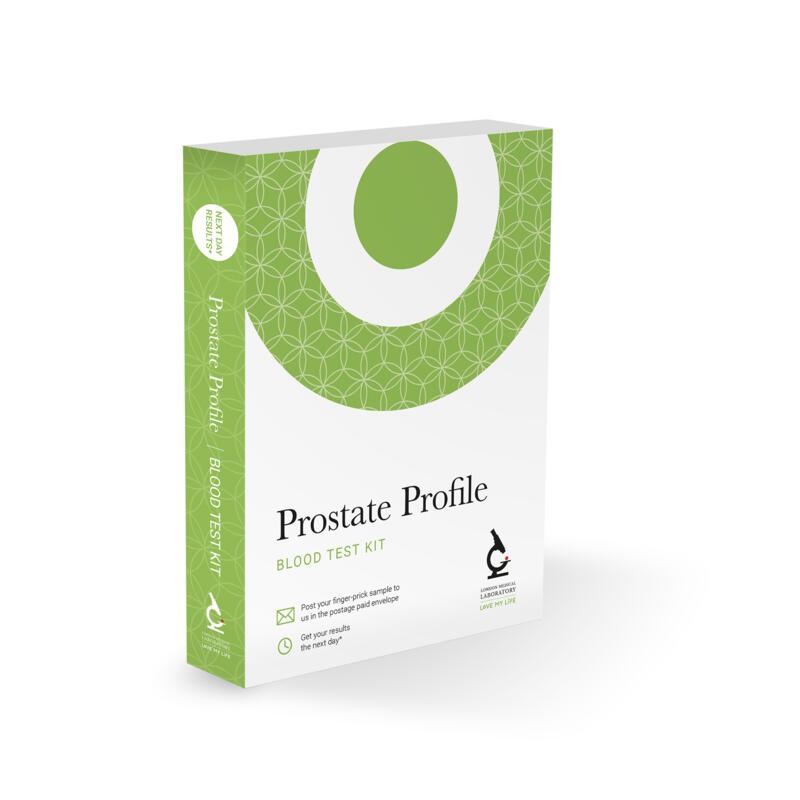 PSA Total
The Prostate Specific Antigen (Total) test measures the level of a protein called prostate-specific antigen (PSA) in the blood. This test is primarily used to screen for prostate cancer and monitor its progression in males.
In males, elevated levels of PSA may indicate the presence of prostate cancer, but it can also be caused by non-cancerous conditions such as benign prostatic hyperplasia (BPH) or prostatitis. Therefore, further diagnostic tests are usually required to confirm the diagnosis of prostate cancer.
It is important to note that the Prostate Specific Antigen (Total) test is not specific to prostate cancer and can yield false-positive or false-negative results. Age, race, family history, and certain medications can also affect PSA levels. Therefore, the test should be interpreted in conjunction with other clinical findings and individual risk factors.
Biomarker(s) Measured: Prostate Specific Antigen
 Menopause Hormones Profile
The Menopause Hormones Profile is a test that measures the levels of Oestradiol, Luteinising Hormone, Testosterone and Follicle Stimulating Hormone to confirm if you are in the menopause.
It also includes Thyroid Stimulating Hormone as it is not uncommon that thyroid problems can cause similar symptoms as the menopause.
Menopause is a natural process that occurs in women as they age, typically between the ages of 45 and 55. The ovaries stop producing eggs and the levels of hormones such as oestrogen and progesterone, decrease.
It is the big drop in oestradiol that causes most of the symptoms of menopause with may include:
- hot flushes, when you have sudden feelings of hot or cold in your face, neck and chest which can make you dizzy
- changes to your mood, like low mood, anxiety, mood swings and low self-esteem
- problems with memory or concentration (brain fog)
- difficulty sleeping, which may be a result of night sweats and make you feel tired and irritable during the day
- palpitations, when your heartbeats suddenly become more noticeable
- headaches and migraines that are worse than usual
- muscle aches and joint pains
- changed body shape and weight gain
- skin changes including dry and itchy skin
- reduced sex drive
- vaginal dryness and pain, itching or discomfort during sex
- recurrent urinary tract infections (UTIs)
- sensitive teeth, painful gums or other mouth problems
Periods may become irregular, heavier before stopping altogether.
Thankfully, Hormone Replacement Therapy can help most women with many of the symptoms and it is worth speaking to a doctor about this.
Biomarker(s) Measured: Testosterone, Thyroid Stimulating Hormone, Follicular Stimulating Hormone, Luteinizing Hormone, Oestradiol (E2)