


Frozen Wart Aftercare: Healing, Comfort And When To Ask
This frozen wart aftercare guide explains what to expect and how our pharmacist can help with questions after treatment with us.
Quick Answer
After a wart is frozen, the area may be sore, swollen, blistered or crusted. Healing and clearance vary, and another treatment may be needed. Follow your practitioner’s instructions, avoid picking and do not add removal products unless advised. Seek clinical advice about worsening pain, discharge, spreading redness or another worrying change. A photograph alone cannot confirm normal healing.
After freezing treatment, it is natural to have questions about discomfort, skin changes and getting back to your routine. We can help you understand the aftercare plan when you have cryotherapy with us, including how to look after the site and when to arrange a review.
At Heald Green Pharmacy, our pharmacist is here to answer your questions before and after treatment with us. Tell us what you are noticing and what worries you. If another clinic treated you, follow its instructions and contact that team first where possible, because it knows the procedure and your individual care plan.
Start With Your Own Frozen Wart Instructions
If you had cryotherapy with us, start with the aftercare instructions our team gave you and ask our pharmacist about anything unclear. We can explain how they apply to the treatment site and the health factors discussed at your appointment. If another provider treated you, use its instructions as your starting point instead.
Ask us how to wash the site, whether a dressing is needed, which products to avoid and how to arrange a review after treatment with us. We want you to feel confident about the practical steps, rather than piece together several online routines. Keep the written instructions somewhere easy to find.
- Keep the treatment date with your aftercare notes.
- Save the clinic’s contact details somewhere accessible.
- Ask what changes are expected for that site.
- Clarify what would need earlier assessment.
- Check when a planned review is appropriate.
If you were not given written information, ask for it. You do not need to rely on remembering a conversation while also thinking about discomfort or the result.
Why Treated Skin May Look Different Afterwards
Freezing intentionally affects the treated skin, so the site may not look unchanged when you get home. Soreness, swelling, a blister or a crust can occur. These possibilities should be explained before treatment so you know what to expect and which changes need advice.
A visible reaction does not prove that the wart has cleared, and a small reaction does not prove failure. The response needs interpreting alongside the procedure and the examination. Avoid comparing your skin with dramatic online photographs as a measure of whether the treatment worked.
If you are concerned, describe the symptoms and timing. Explain whether discomfort is easing, staying the same or worsening. Say if there is discharge, spreading redness or a new problem with using the area.
If we treated you, contact our pharmacist about a change that worries you, even if it does not match a warning example exactly. We can discuss whether you need reassurance, a review or more urgent assessment. If another team carried out the procedure, contact that team where possible.
Use A Flexible Healing Plan, Not A Countdown
Recovery depends on the treatment site, the individual skin response and the procedure. A treated hand, face or foot may create different practical problems. Ask for a reasonable range for your case rather than expecting the same day-by-day sequence as someone else.
Some sites take longer to settle, and the wart may need review even after the surface has healed. A crust coming away is not a reason to conclude on your own that no further assessment is needed. Equally, a visible mark during recovery does not automatically mean treatment has gone wrong.
| Question | What To Discuss |
|---|---|
| Today | What care should I follow immediately and which products should I avoid? |
| Daily Changes | Which symptoms are expected and which should prompt contact? |
| Activities | How should I manage washing, footwear, work or sport for this site? |
| Healing | What range is reasonable for my skin and treatment location? |
| Review | When should the practitioner reassess clearance or persistence? |
Ask these questions before an important event or trip. A brief procedure does not guarantee an invisible recovery by a fixed deadline.
Ask Before Managing A Blister Yourself
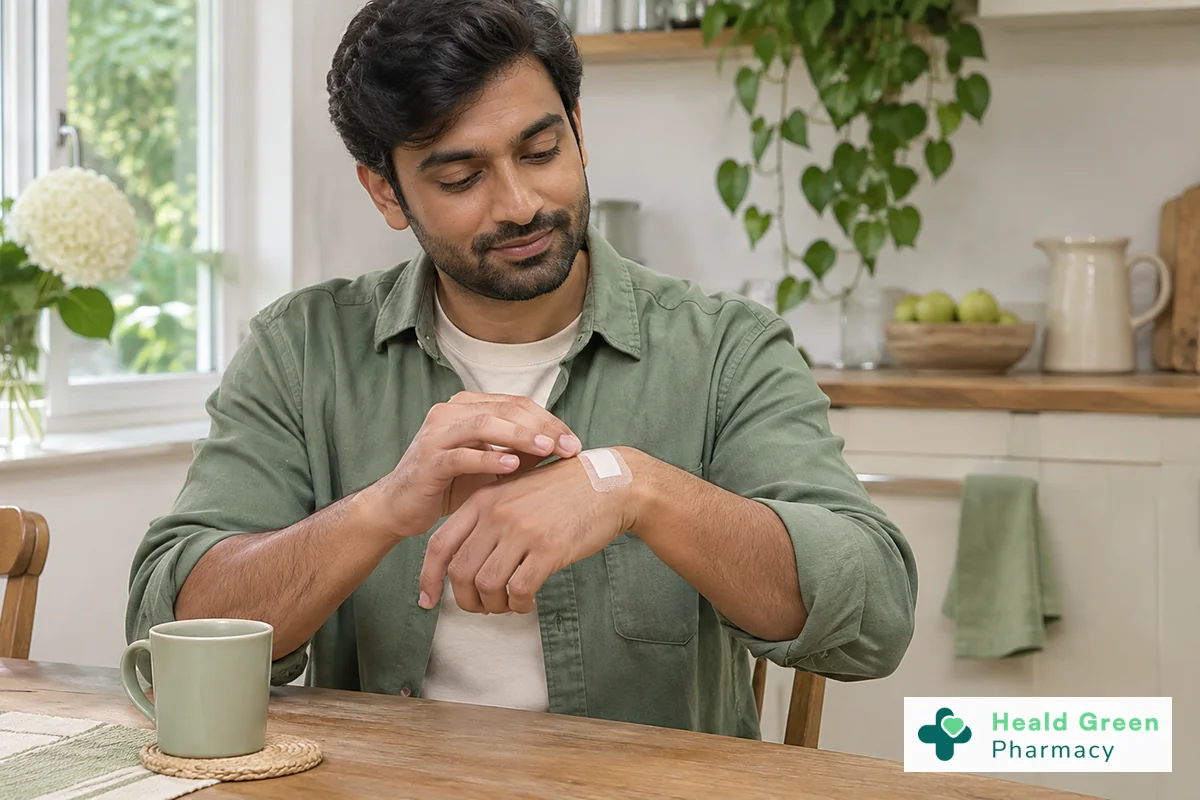
If a blister develops, follow the treating service’s advice for your procedure. Do not pick, cut or peel the skin because you want the site to look tidier. A large, tense, painful or worrying blister is a reason to contact the practitioner for individual guidance.
Different clinical leaflets describe different wound-care arrangements. That does not mean you should combine them or choose the most active option. Ask the person who treated you how their instructions apply to the area in front of you.
If a dressing has been advised, clarify what to do if it loosens, gets wet or irritates the surrounding skin. Tell the clinician about any adhesive allergy or previous dressing reaction. Avoid repeatedly removing protection to inspect the skin unless instructed.
If the blister breaks unexpectedly, ask how to care for it rather than applying a wart-removal product to exposed skin. The next step is wound care, not another attempt to freeze the area.
Plan Around Friction, Pressure And Work
The location of a treated wart can matter more to your day than its size. A hand site may rub on tools, a foot site may feel different in a shoe and a visible area may affect your confidence at work. Explain those concerns before or after treatment as needed.
Ask whether a dressing or activity adjustment is appropriate for your specific site. Do not assume that another patient’s advice about sports or footwear applies to you. The plan should account for the task, the healing skin and your own health.
- Mention work gloves, boots or repeated hand washing.
- Ask about activities that rub the treated area.
- Check advice before swimming with healing skin.
- Discuss any travel or event plans in advance.
- Ask for help if pain limits normal use.
You do not have to test recovery by pushing through discomfort. Describe the practical difficulty and let the practitioner advise on the next step.
Avoid Adding Extra Wart Treatments During Healing
Do not put another acid, freezing product or removal remedy on the treated site unless the practitioner has advised it. More irritation is not evidence of better treatment. Broken or healing skin needs care appropriate to its condition, not an improvised second procedure.
Tell the service about products you were using before the appointment and ask when, if ever, to restart them. Keep the packaging so the ingredients and instructions can be checked. If you are unsure whether something counts as a treatment, ask rather than guess.
Use only the washing, dressing and skin-care approach recommended for your site. If a product causes unexpected stinging, redness or another reaction after treatment with us, contact our pharmacist. Do not continue solely because an online comment says a strong reaction is normal.
Our older wart-treatment overview provides background, but it is not a replacement for the aftercare plan given after your own procedure.
Our Video Explaining Cryotherapy
Check our TikTok below to learn what cryotherapy is. It provides background to the freezing procedure; your own aftercare should follow the practitioner’s instructions for the treated site. If you are worried about a reaction, contact the treating service rather than using a video to diagnose it.
Discuss Skin-Colour Changes And Lasting Marks
After the area heals, the skin can look lighter or darker than the surrounding skin. A scar is also possible. These outcomes should be part of the original consent discussion, especially if a colour change would be particularly noticeable or distressing for you.
If the appearance worries you, ask for review rather than applying lightening products or another removal treatment. Explain whether the concern is the surface, the colour, discomfort or a growth that appears to remain. Those are different questions and may need different advice.
A photograph of an ideal result cannot predict how your skin will heal. It is reasonable to discuss what you hoped for and what the practitioner can assess now, without assuming a visible mark means another procedure is needed.
If the treatment was on the face, our facial aftercare discussion may help frame questions. Facial skin still needs advice tailored to the location and actual diagnosis.
Know When To Contact A Healthcare Professional
Contact your treating team if pain is worsening rather than settling, redness is spreading, discharge develops or the area causes another concern. If we treated you, speak to our pharmacist. Tell the practitioner when treatment happened and what changed. A general description of a frozen wart is not enough to judge an individual wound.
If you feel acutely unwell or think you need urgent help, use the appropriate urgent medical service. Do not wait for a cosmetic review appointment if the problem has become more serious. Tell the clinician about diabetes, circulation, immunity or wound-healing concerns.
- Describe how symptoms have changed over time.
- Name any product applied since the procedure.
- Explain whether the site affects walking or hand use.
- Mention fever or feeling unwell if present.
- Ask whether the area needs an examination.
You do not need to decide whether it is infected before contacting someone. The purpose of the assessment is to work out the cause and the appropriate care.
A Remaining Wart Needs A Review, Not Automatic Re-Freezing
Warts can need repeated treatment, but another session should be a considered plan. The practitioner may want to assess healing, persistence and whether the diagnosis remains clear. Ask why more treatment is proposed and what alternatives are reasonable.
Keep a short note of the appointment date and how the area felt afterwards. If you return, describe whether the original problem improved and whether a new concern appeared. You do not need a perfect daily photographic record to have a useful review.
A frozen wart that remains is not proof that you did something wrong with aftercare. Avoid blaming yourself or trying to finish the removal with a tool. Ask what the clinician thinks the next step should be.
Confirm whether a review is included in the original fee and how any further procedure is charged. Clear arrangements help you compare the whole plan rather than assuming the first appointment covers every possible outcome.
Get Aftercare Support In Heald Green
If you had treatment with us, speak to our pharmacist or contact our team at 208 Finney Lane, Heald Green, SK8 3QA. Have the treatment date, location and any product details ready so we can understand the question and arrange the appropriate next step. If another service treated you, start with that team where possible.
Our cryotherapy service includes a discussion of aftercare for treatment with us. Consult our pharmacist about preparation, recovery and review arrangements before your appointment. We can explain current fees and suitability, as well as how to get help if a treated area needs examining.
A useful frozen wart aftercare plan tells you what to do, what to avoid and when to ask again. Keep it simple and specific to your treatment rather than adding more steps each time you see a different suggestion online.
Frequently Asked Questions
1. What Should A Frozen Wart Look Like Afterwards?
The site may be sore, swollen, blistered or crusted, but appearances vary. Follow your practitioner’s instructions and ask about worrying changes rather than diagnosing healing from an online photo.
2. Should I Pop A Blister?
Ask the treating service for instructions, especially if it is tense, large or painful. Do not improvise with cutting or peeling the skin.
3. Can I Use Another Wart Product On It?
Only if the practitioner has advised it. Additional removal products may irritate healing skin and are not a substitute for a review.
4. Does A Scab Coming Off Mean It Has Worked?
Not necessarily. Clearance and healing need considering together. Ask when the practitioner should reassess the area.
5. Will The Skin Colour Return To Normal?
Colour changes can fade, but some may last. Scarring is also possible. Ask for assessment of a mark that concerns you rather than applying further treatment yourself.
6. When Should I Seek Advice About A Frozen Wart?
Ask about worsening pain, spreading redness, discharge, impaired use or another worrying change. Mention your health conditions and the treatment date when contacting the service.
Talk To Us About Your Next Step
Have questions after cryotherapy with us? Contact our pharmacist to discuss the treatment site and your recovery. If you are considering treatment, book a consultation with us to talk through suitability, aftercare and review. For treatment elsewhere, follow that provider’s instructions and contact its team about the procedure.
Important Information
This is general information for adults and does not replace individual medical advice. Outcomes are not guaranteed. Current appointments, suitability and charges need confirming with the service.
Clinically Reviewed by Pharmacy Mentor
A pharmacist reviews the content to help ensure medicines are presented responsibly and that patient-facing health information is accurate, appropriate, and aligned with current clinical guidance.
Written on behalf of Heald Green Pharmacy by Pharmacy Mentor.
Created: . Last editorial review: .
